


Dubai real estate market 2025
Tourism, Tech, and 200,000 New Homes Are Shaping Dubai’s Real Estate Outlook
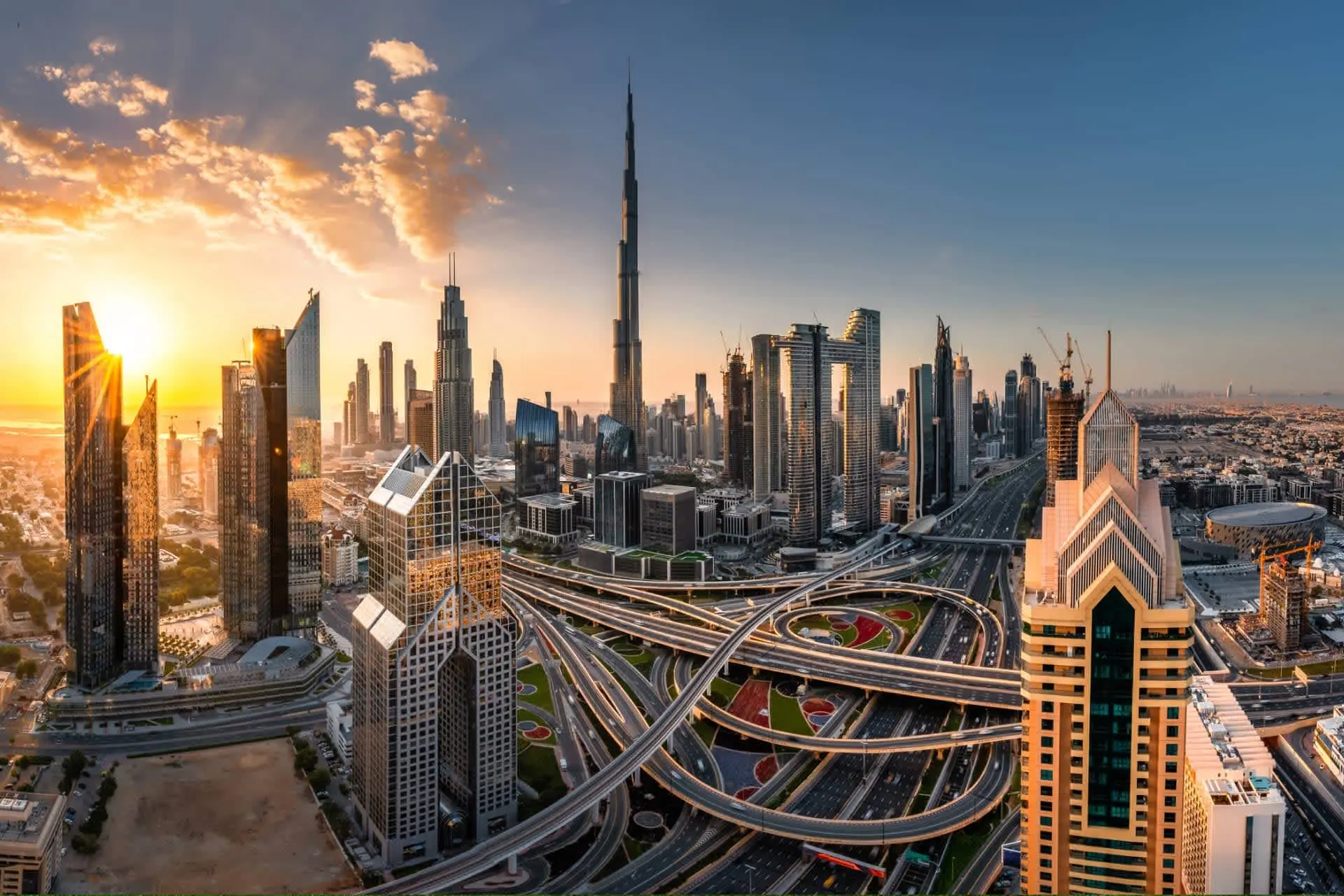
Dubai’s property market continues to demonstrate strength and adaptability in 2025, underpinned by robust tourism, global investor demand, and advanced technologies. Experts predict that while these drivers will sustain momentum, the influx of new housing supply will redefine investment priorities—placing greater focus on asset quality, sustainability, and location.
Strong Performance Backed by Record Tourism
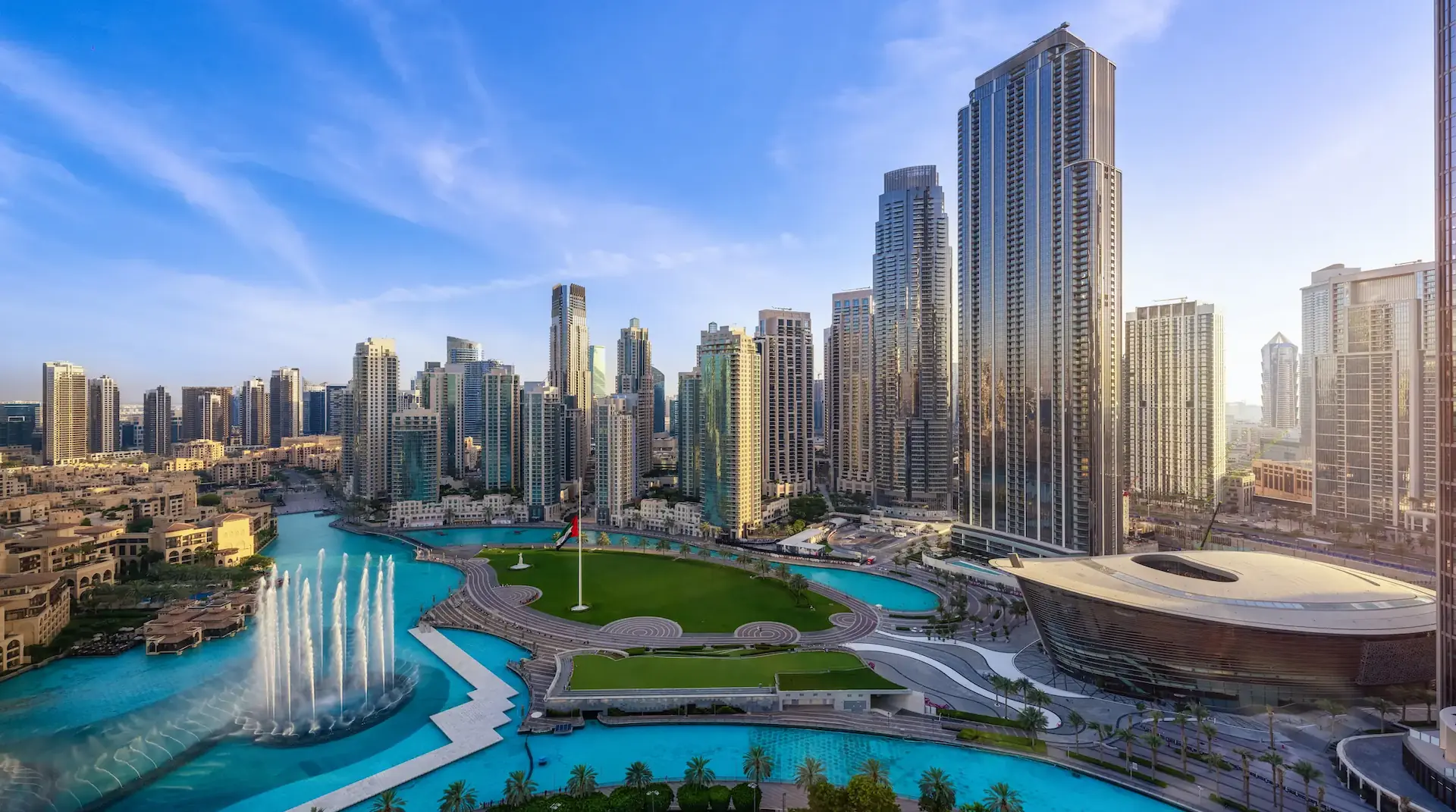
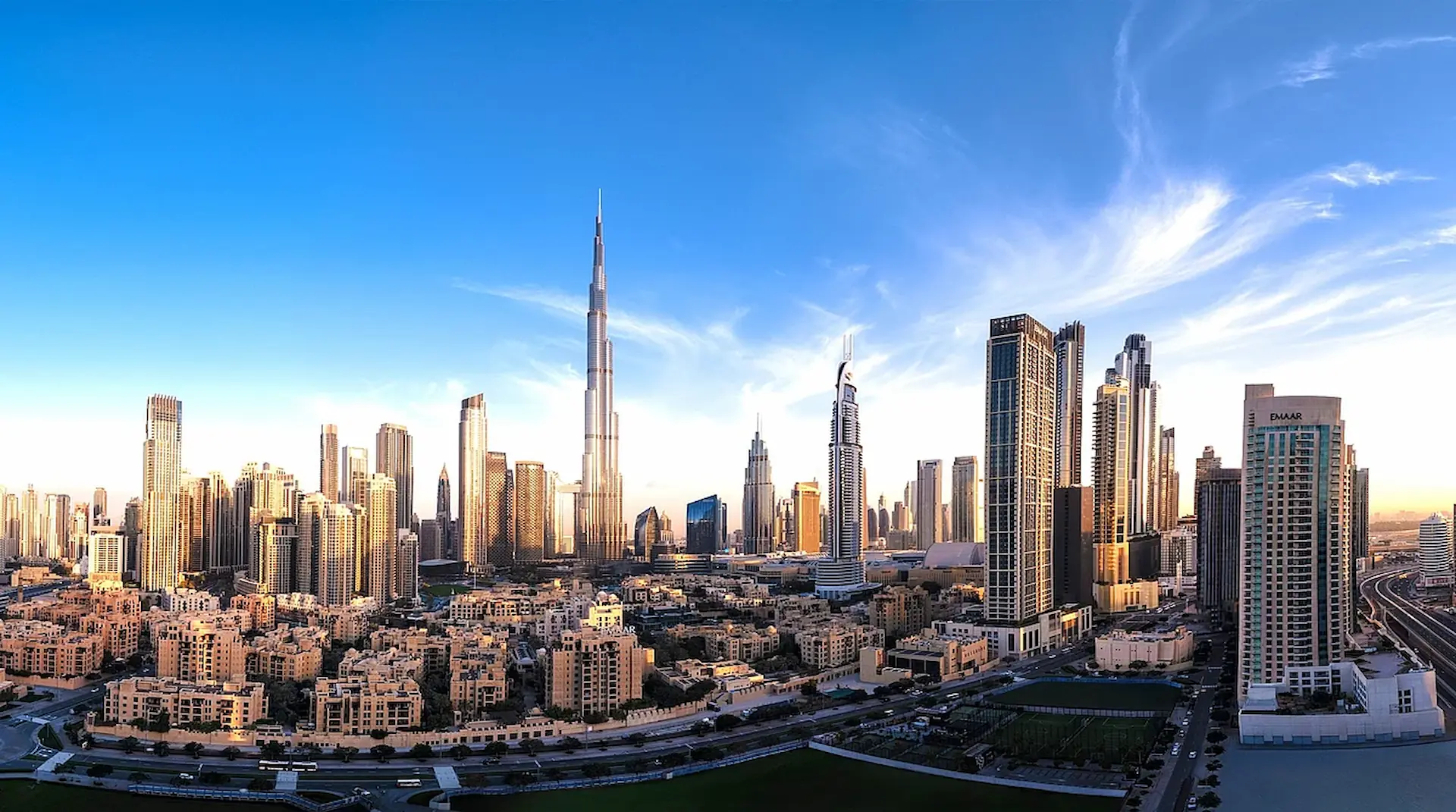
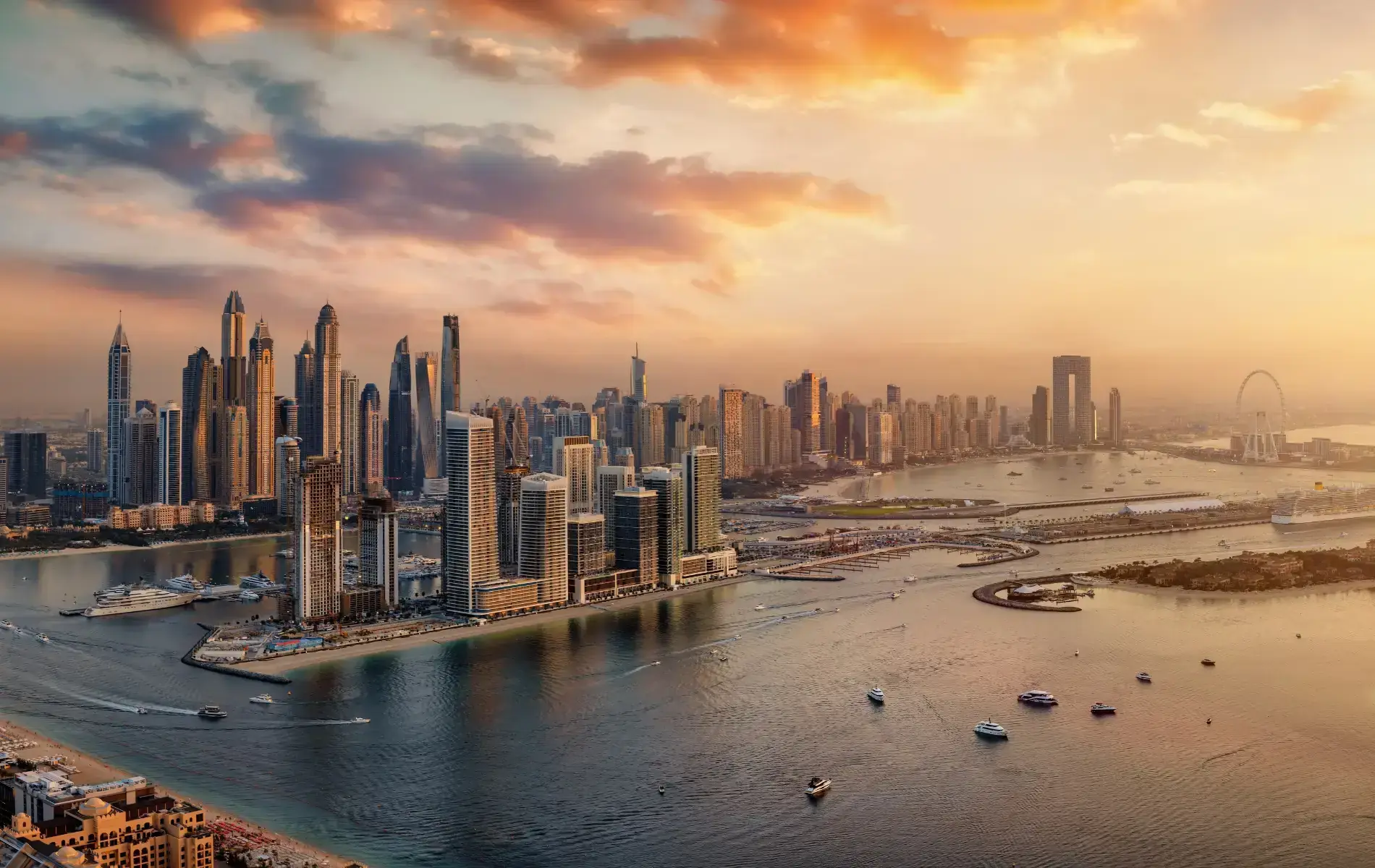
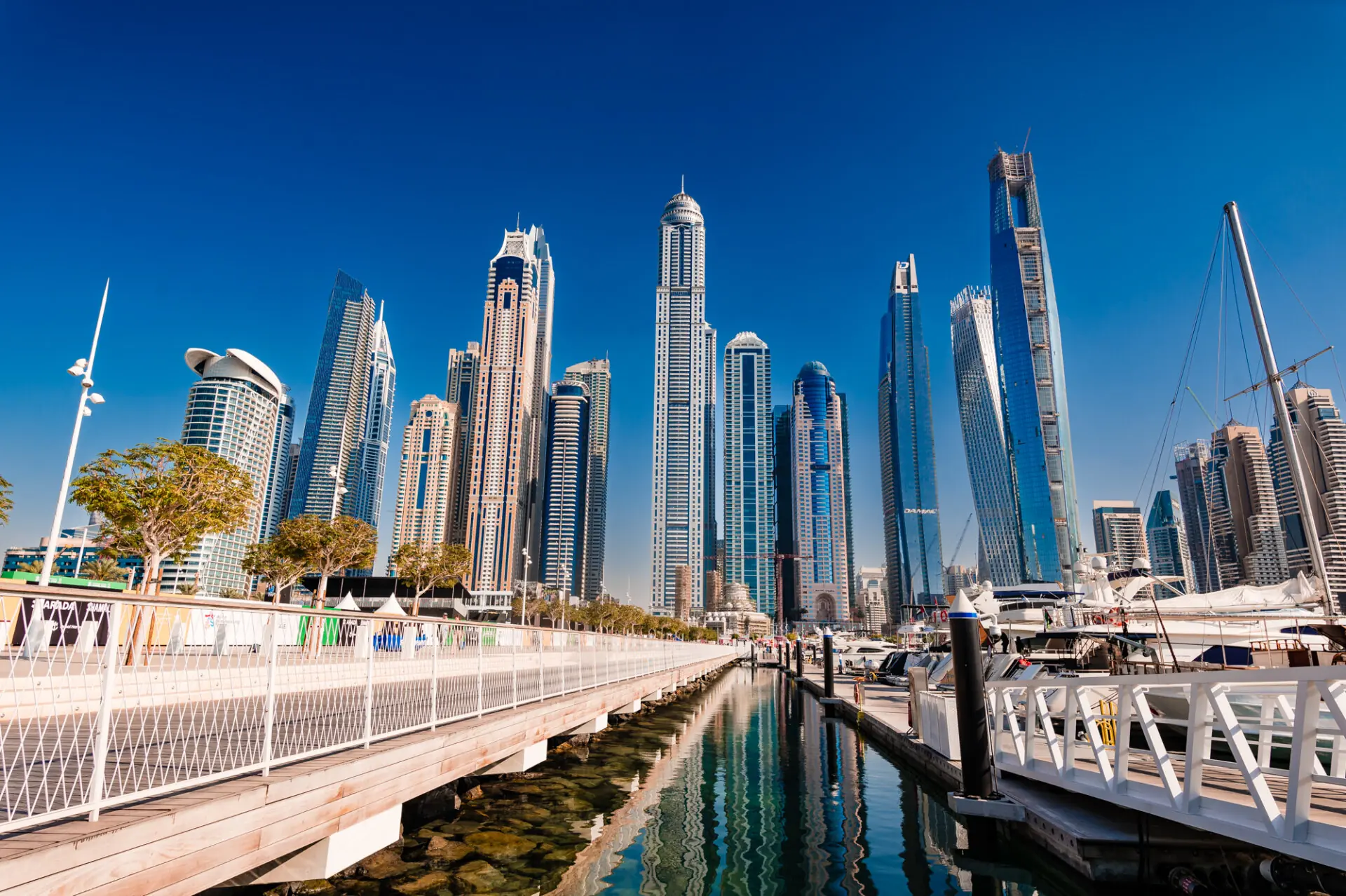
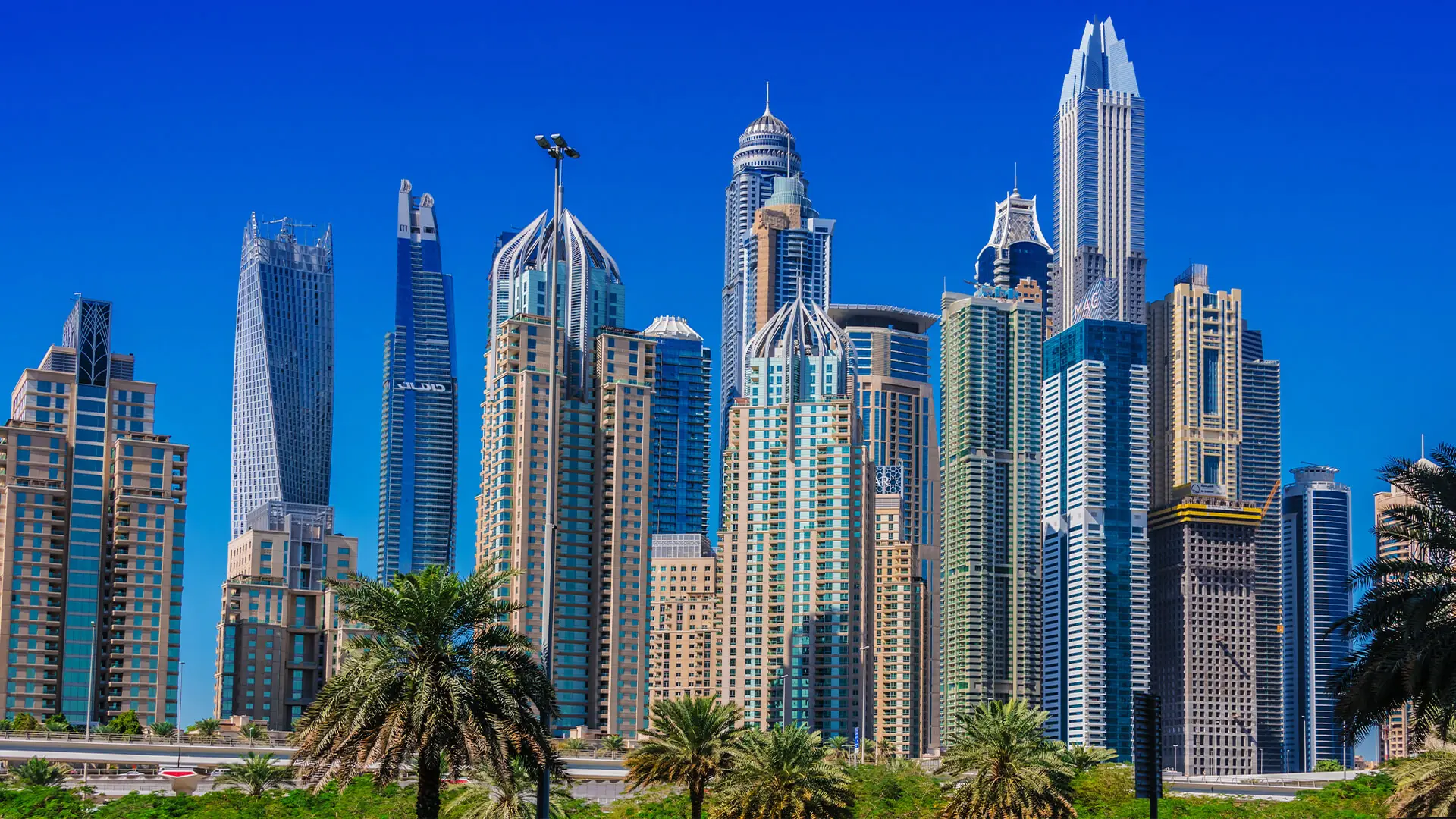
According to Elite Merit Real Estate, Dubai welcomed 9.88 million visitors in the first half of 2025, a 6% year-on-year increase, with average hotel occupancy reaching 80.6%. This surge is boosting demand for short-term rentals and investment properties, particularly in vibrant districts like Downtown Dubai and Dubai Marina.
Citywide, average property prices rose 3.7% quarter-on-quarter to AED 1,749 per square foot, while off-plan sales represented 69% of total transactions in Q1 2025—signaling strong investor appetite for flexible, high-return projects.
Luxury Market Hits Record Highs
Dubai’s ultra-luxury segment continues to break records, with $2.6 billion worth of homes above $10 million sold in Q2 2025. Analysts attribute this to sustained foreign investor demand and Dubai’s global reputation for safety, stability, and tax advantages.
Despite expectations of 70,000 new unit deliveries in 2025 and over 133,000 in 2026, premium properties are projected to retain value, supported by limited land availability and demand from international high-net-worth buyers.
Fitch Ratings notes that the new supply may cause a 10–15% correction in some mid-market areas, but overall stability remains strong.
The Rise of Branded and Mixed-Use Developments
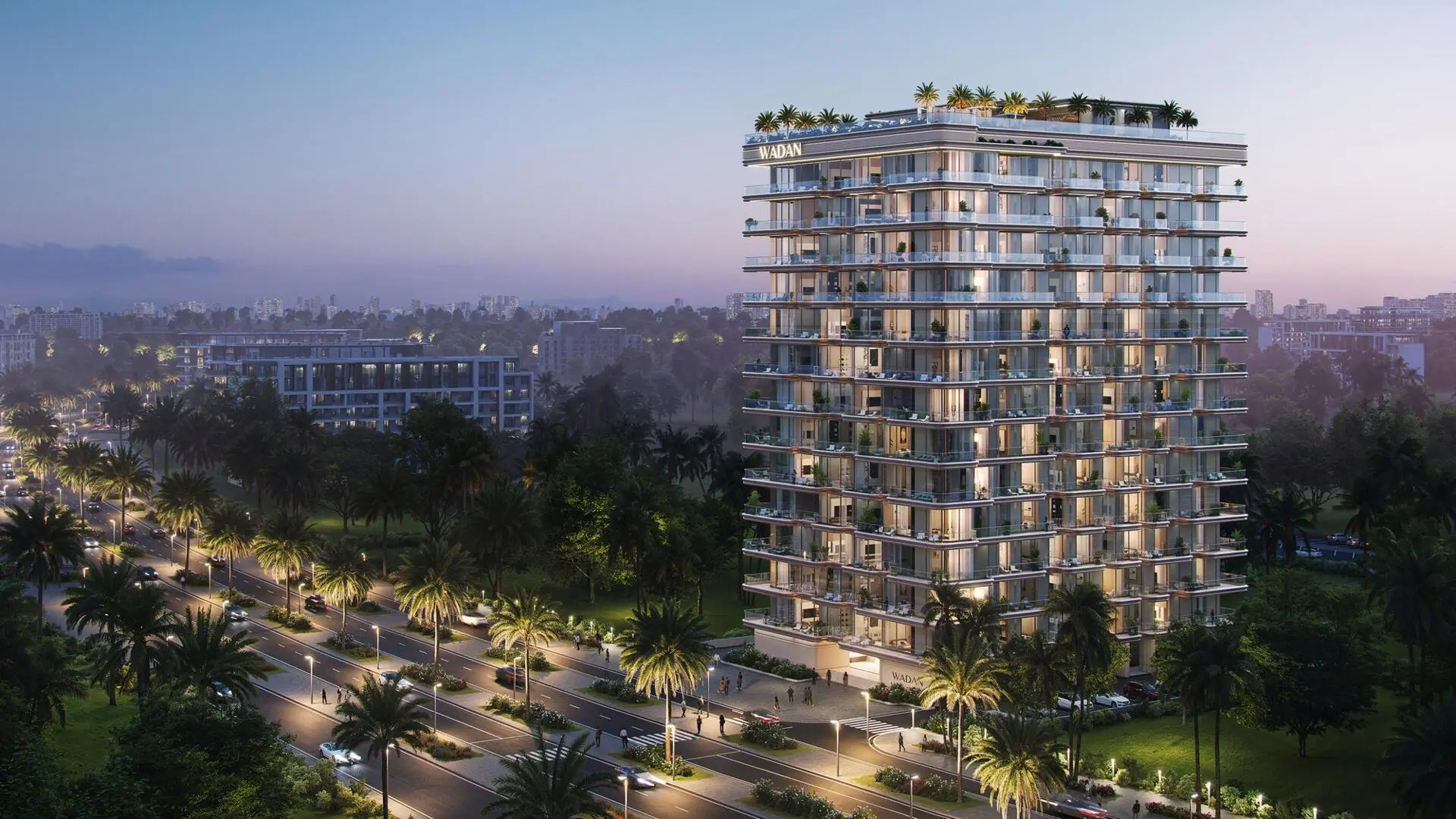
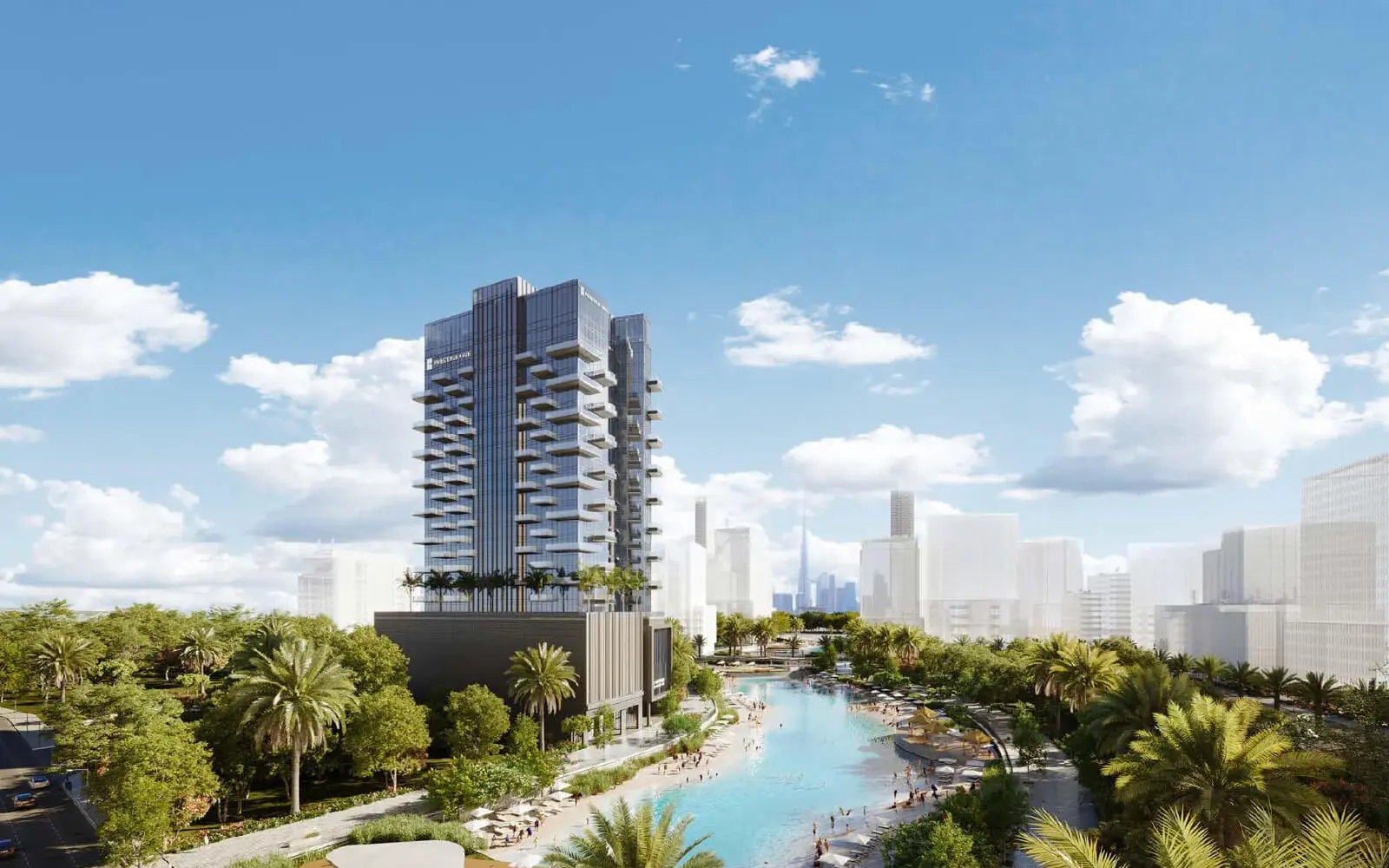
A growing number of investors are targeting branded residences, which now make up nearly 140 projects in Dubai. These properties consistently outperform the wider market in both rental yields and capital appreciation due to their design, amenities, and brand recognition.
Similarly, mixed-use communities integrating residential, office, and retail spaces are proving resilient. With office vacancy rates at just 7.7% and rising rents, such developments are delivering consistent cash flows and long-term tenant retention.
Smart, Sustainable Development Takes Center Stage
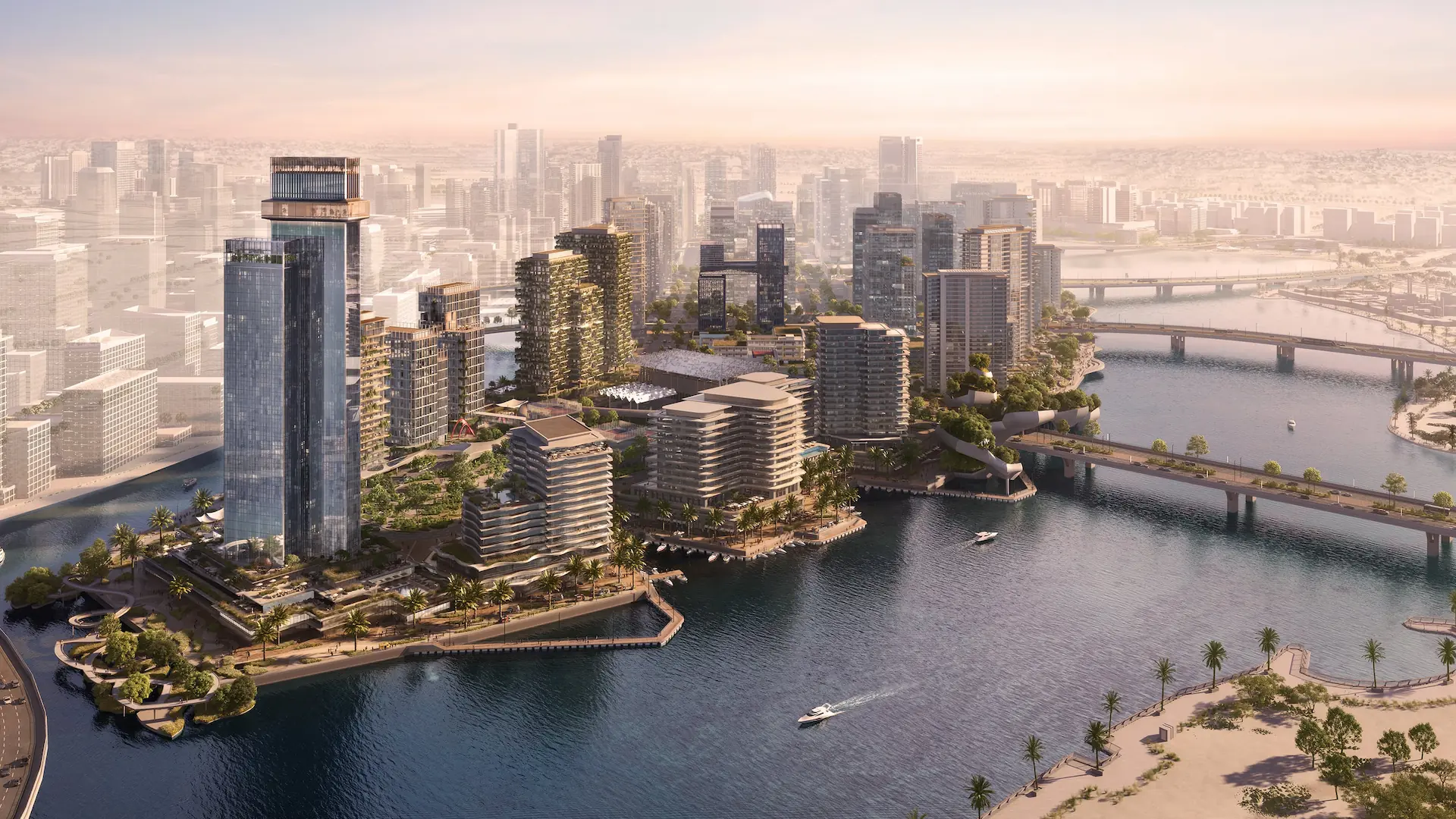
Developers adopting AI-driven design, smart energy systems, and green building standards are gaining a competitive edge. Dubai’s “flight to quality” trend is accelerating, with investors prioritizing ESG-compliant and well-managed projects that offer long-term value.
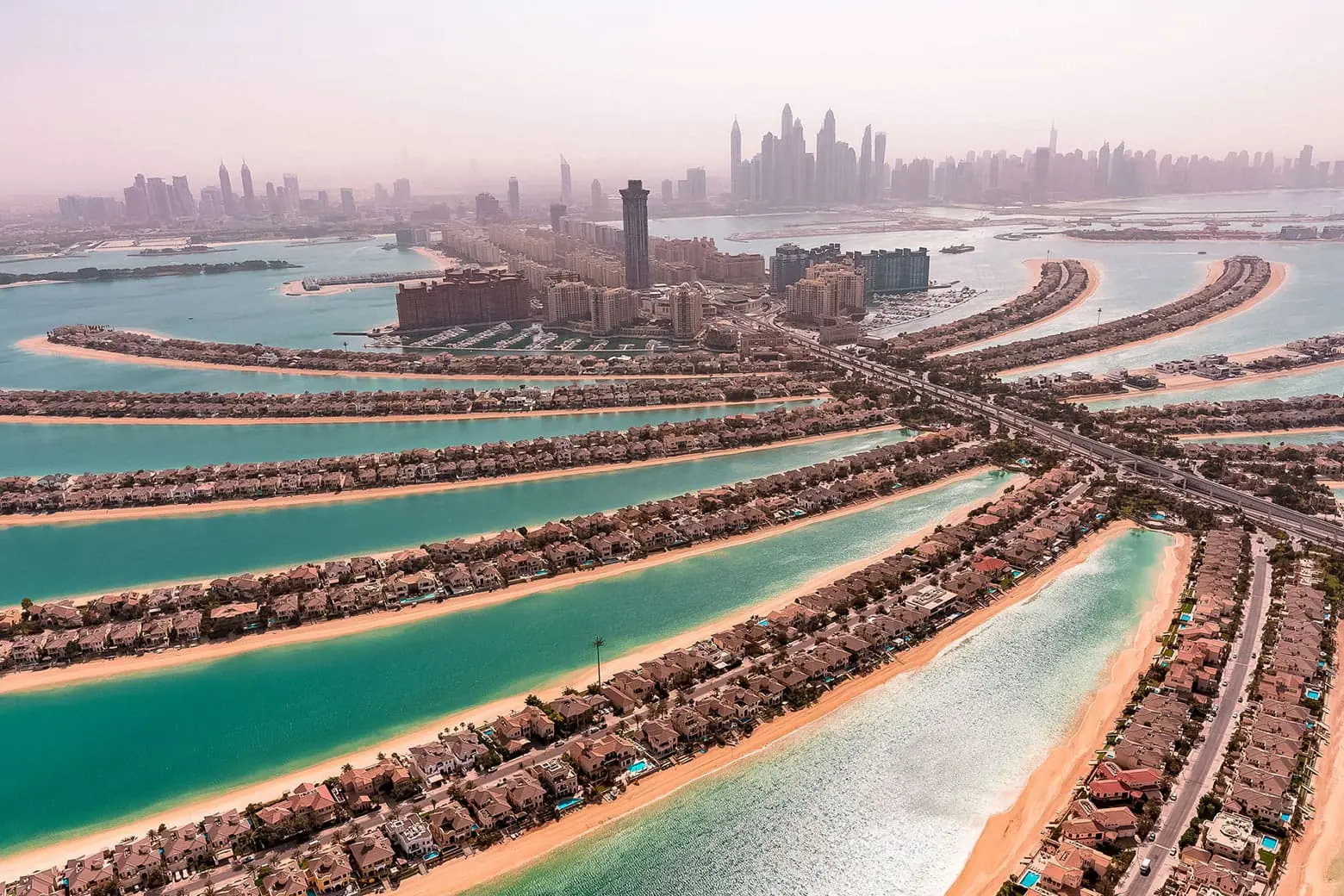
The relaunch of Palm Jebel Ali—adding 13.4 km of new coastline—and Expo Valley, which begins handovers in early 2026, are set to expand Dubai’s property geography. These megaprojects, alongside Expo City Dubai, are reinforcing the emirate’s global appeal as a premier investment hub.
Short-Term Challenges, Long-Term Strength
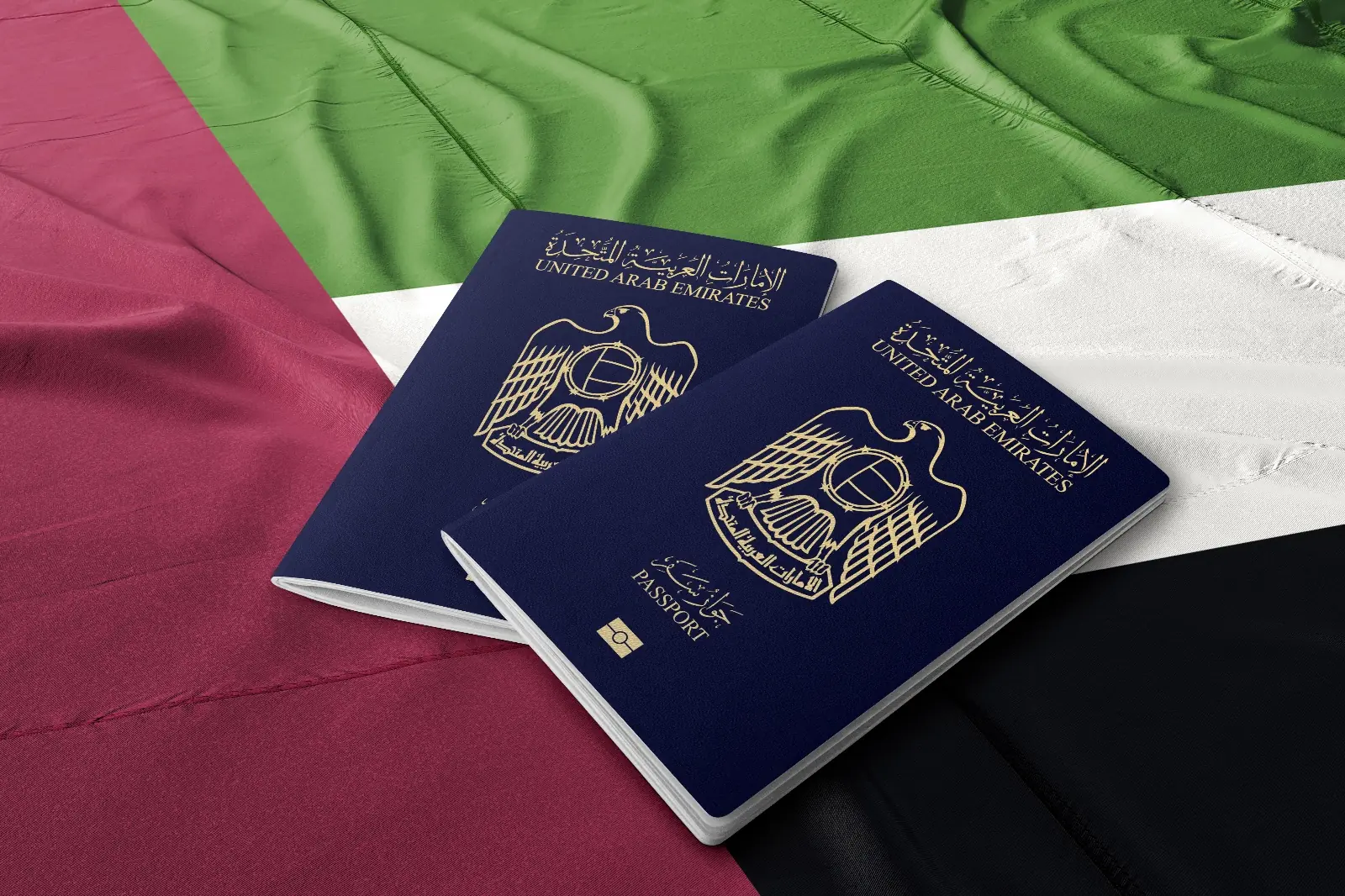
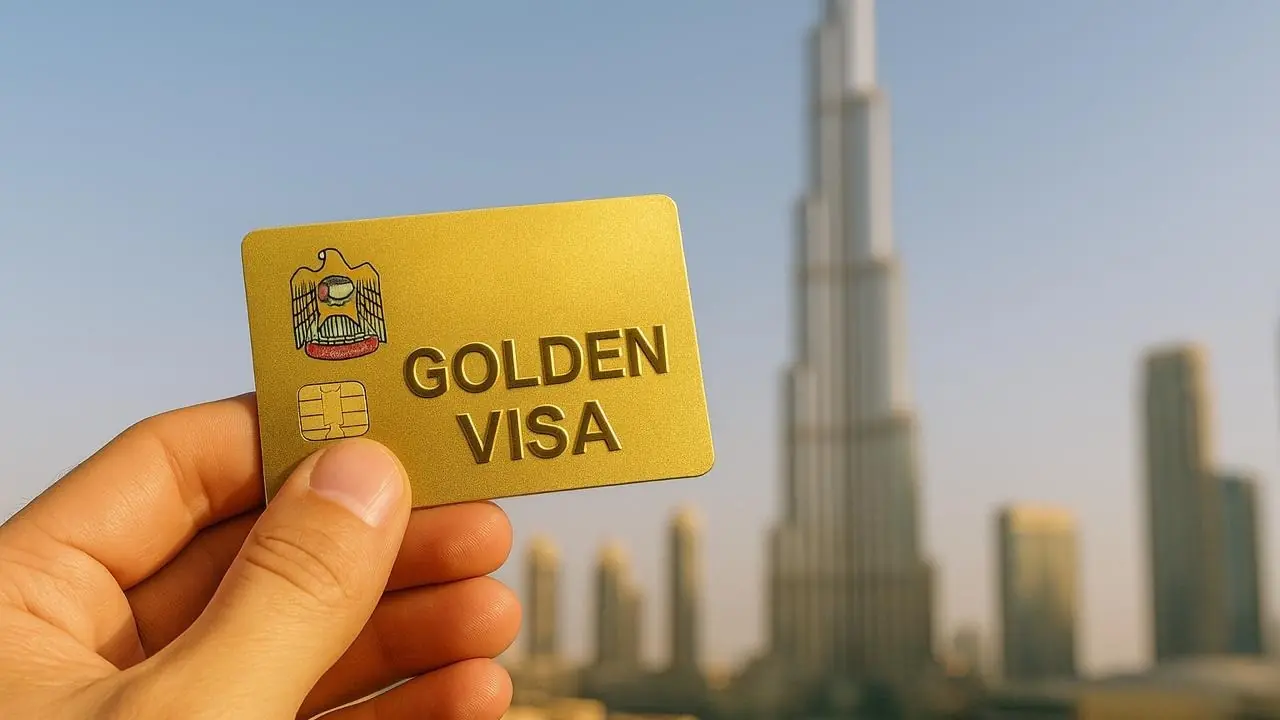
While the rapid supply growth could temporarily pressure the mid-market segment, Dubai’s fundamentals remain robust. Rising borrowing costs and service fees may affect affordability, yet premium and super-prime properties are expected to sustain record demand thanks to Golden Visa incentives and limited land availability.
Experts predict that the most resilient developments in the next cycle will be branded, sustainable, and strategically located, reflecting the city’s continued evolution toward a diversified, future-ready real estate landscape.